
Dive 120: The Unspoken Trap of Chasing Algorithms

Hey, it’s Alvin!
If you want to make money on the internet, I was taught you have to cater to social media algorithms. Well, good news…
I got an email from a course creator with a bold claim:
He “figured out the algorithm” for a social media site. And for just a few hundred dollars, he was going to teach me… ME… how to exploit the algo to gain millions of followers. Fast.
Of course, he’s not the only one who claims to have “figured out” an algorithm. And I don’t trust anyone who does. I mean, have you ever heard anyone say, “The reason I have hundreds of thousands of followers is because of this other guy who figured out the algorithm”?
I haven’t.
What I learned posting on platforms like X/Twitter, YouTube, and Substack over the years is that chasing algorithms alone is often a recipe for failure because most people don’t understand what an algorithm is. In terms of strategy:
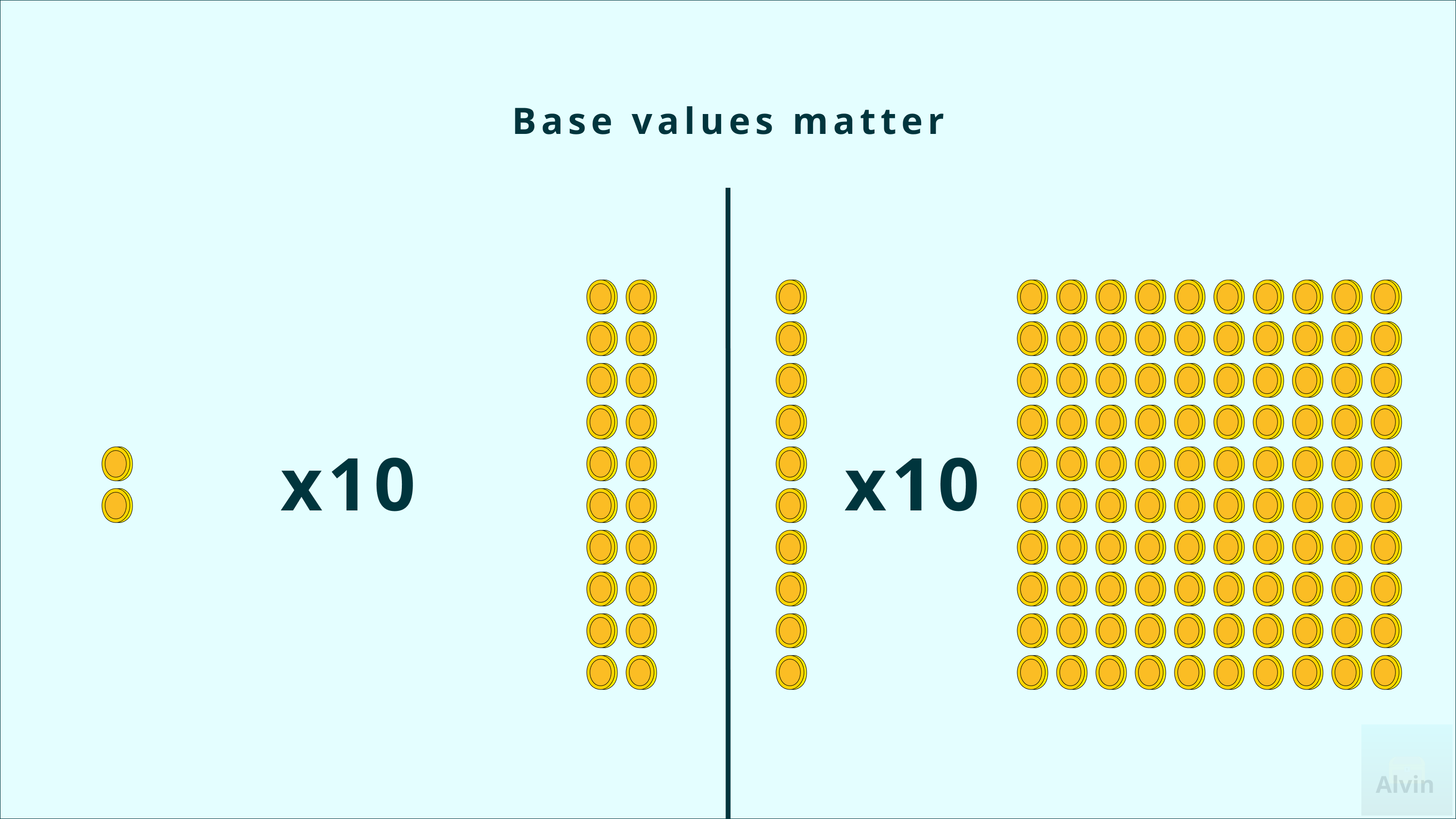
An algorithm is a multiplier.
If it complements your brand (the base value), you’ll achieve way more success than if it doesn’t.
It’s like baking bread. How much the dough rises depends on:
The amount of dough
The composition of the dough
The temperature of the water when mixing in the yeast
The yeast is just a multiplier. But the dough base has to be right for it to rise well.
Focusing too much on algorithms is a recipe for failure because it distracts from forming a solid foundation for the algorithm to boost. So, what does a solid foundation look like?
1. Showing up early
By the time you learn about “the algorithm” and have applied it, the algorithm has moved on.
“The algorithm” is like financial stocks. By the time you hear about a stock trend, it’s passed. Cryptocurrency scams work the same way.
An influencer buys the cryptocurrency at a cheap price, often with buddies. The influencer promotes the crypto to inflate its price as much as possible. Then, the influencer sells the crypto at a high. The sale triggers others to sell off their stock of the cryptocurrency, causing its price to collapse. This classic “rug pull” benefits the influencer at the expense of those outside the influencer’s inner circle who only learn about it when it’s too late.
2. Standing out from the crowd
An algorithm chaser likes to sell the idea that they alone figured out how a software’s algorithm works. But it’s statistically more likely that many others figured it out long before that seller did. By the time you exploit the algorithm, after you learn it from that person, after they figure it out… you’re late to the party.
But that doesn’t stop thousands of people from following the seller. After all, who doesn’t want the secret sauce to success? But if you’re doing the same thing as thousands of others, then how will you stand out from the crowd?
3. Staying true to yourself
All of this assumes that what the algorithm “favours” aligns with the kind of person and message you want to convey. Otherwise, you’ll come across as disingenuous and duplicitous. YouTube video thumbnails are perfect examples of this.
For a long time, I was told that videos with thumbnails containing a human face “do better” on YouTube than those that don’t. People have come up with various reasons why that is. None of which explains why videos with thumbnails with no faces can still rack up millions more views than video thumbnails with faces. Maybe it’s not about the face…

A few years ago, a fellow YouTube creator told me that the real reason YouTubers started putting expressive faces on YouTube videos was because that’s what MrBeast did. MrBeast is still the most successful YouTuber at the time of this writing. Maybe this gave the impression that the YouTube audience has some unexplained compulsion to watch videos with thumbnails with faces on them. But this doesn’t always work…
I like to learn legal topics from lawyer, Andrew Branca. But I cringe when I see a Branca video thumbnail featuring an exaggerated expression:

These thumbnails are completely at odds with Branca’s personal demeanour and the tone of his videos, which are usually serious with a brief sprinkle of humour here and there. Yes, a wacky facial expression might work well for MrBeast. But that’s because MrBeast targets children. And children are drawn to expressive faces as part of their social emotional development. That’s not Branca’s audience.
4. Focusing your strategy
If you want to reach as many people as possible, then chasing algorithms is like dragging a net through the ocean. You’ll catch lots of fish. In fact, it’s such a well-established practice in the fishing industry, it even has a name: trawling.
You’ll also collect a boatload of plastic too.
No one talks about the costs of chasing algorithms. No one talks about the inefficiencies of indiscriminately collecting as much of something as possible.
“It’s a numbers game.”
I hear that phrase a lot. In business, it often means that you should expose yourself (or product) to as many other people as possible, and good things will happen.
OK, maybe “expose” was a poor choice of words. But is the claim always true? I’m not so sure. Let’s flip that assumption.
Modern dating “coaches” like to say that dating is “a numbers game,” too. They say that if you want to improve your chances of finding your special someone, go places where lots of people like to hang out and just start talking to random people. Bars and clubs are common examples.
What if you don’t drink alcohol?
What if you don’t dance?
What if you like unwinding after a long day by curling up with a book on a warm bed or easy chair?
Then, that’s a numbers game you’re going to lose.
Hard.
Sure, maybe hundreds of people frequent bars and clubs. But I bet you’re more likely to find your soulmate in a quaint bookstore or local library. Even if there are just 10 regulars. Because you’re more likely to find someone else who shares something in common with you. And maybe, the same deep values you have.
Yes, it’s “a numbers game.” But it’s not just about mindlessly increasing the sample size. It’s about purposely biasing the sample. It’s about applying a targeted strategy.
The problem with buying into an influencer’s secret formula is that it’s always either:
Too generic.
Too specific to the influencer.
In either case, you lose because you’re not drawing an audience or customers who care about what you uniquely offer.
Catering to an algorithm works well if you can do it in a way consistent with the brand you want to convey. Otherwise, it’s a waste of time. But there’s also a better way to:
Show up early
Stand out from the crowd
Stay true to yourself
Focus your strategy
All at once.
5. Leading by example
Followers play by the rules. Leaders create them.
Followers chase algorithms. They chase trends created by others.
Hey, if chasing shiny objects gets you where you want to go? Go for it.
It’s just that I’ve seen how poorly that story plays out for too many content creators. They’ll chase fads. They’ll do what they think the algorithm “likes.”
But algorithms are fickle. They change. And they change often. The creator changes to keep up with the algos. Again and again until the creator burns out. That’s when the content creator takes a step back because they just had a “why am I even doing this” moment. It’s the moment the creator realizes that everything the algorithm “liked” was nothing the creator liked.
It’s not them. It’s not what the creator wanted at the start of the content creation journey, when content creation was fun. Spending every moment pleasing an algorithm to get views, followers, and other internet currencies? That’s no different from pleasing a boss to make money. That’s just work. That’s why they burnt out.
What good is it for someone to gain the whole world, and yet lose or forfeit their very self?
- Luke 9:25
Leaders shape algorithms. They start trends. Often accidentally. It’s a long game unless you’re lucky enough that what you’re doing happens to be trendy at the time.
You either have to please the algorithm in a way that’s aligned with your base strategy or forge your own path. Because the algorithm is just a multiplier.
You gotta get your dough right for the yeast to make it rise.
Reply to belowthesurfacetop@gmail.com if you have questions or comments. I’d love the hear from you.
Catering to an algorithm misaligned with your brand is a lot like faking it to make it. Check out Dive 50 below, on the costs of this strategy:

Thank you for reading. Build your base. And I’ll see you in the next one.